سامراجی جنگوں، قرضوں ، موسمی بحران اور عدم مساوات کے خلاف عوامی محاذ

پریس ریلیز | 15 مئی 2025

پاکستان کسان مزدور تحریک(پی کے ایم ٹی )    ضلع شکارپور نے  چھٹا ضلعی اجلاس شکارپور سامراجی جنگوں، قرضوں، موسمی بحران اور عدم مساوات کے خلاف عوامی محاذ عنوان سے انعقاد کیا، جس کا مرکزی موضوع “یوم نکبہ” تھا۔ اس اجلاس کا مقصد فلسطینی عوام کے ساتھ یکجہتی کا اظہار کرنا، ان کی آزادی کی جدوجہد کو خراج تحسین پیش کرنا، اور سامراجیت و صیہونیت کے خلاف عالمی مزاحمت کی حمایت کرنا تھا۔ اس موقع پر مقامی کسانوں، مزدوروں، سماجی کارکنوں اور مختلف شعبہ ہائے زندگی سے تعلق رکھنے والے افراد نے بڑی تعداد میں شرکت کی اور فلسطینی عوام کے ساتھ اپنی اظہار یکجہتی کا اظہار کیا۔ Continue reading

مزدور کے خلاف معاشی استحصال اور سامراجی جنگ بند کرو

یکم مئی 2025| پریس ریلیز

پاکستان کسان مزدور تحریک کی جانب سے یکم مئی 2025 کو 600 لیبر کالونی حطار ہری پور میں مزدوروں کے عالمی دن کے موقع پر ایک اہم اجلاس کا انعقاد کیا گیا، جس میں 150 سے زائد مزدوروں، کسانوں، اساتذہ، صحافی، سول و سماجی خواتین و حضرات نے شرکت کی۔ اس موقع پر پاکستان کسان مزدور تحریک نے حطار صنعتی علاقے کے مزدوروں کے مسائل کو اجاگر کرتے ہوئے ان کے حقوق کے تحفظ کے لیے بھرپور آواز اٹھائی۔ مقررین نے زور دیا کہ حطار صنعتی علاقے کے تمام مزدوروں کو رجسٹرڈ کیا جائے تاکہ انہیں ای او بی آئی، سوشل سیکورٹی، ورکر ویلفیئر فنڈ، جہیز گرانٹ، ڈیتھ گرانٹ، تعلیم و سکالرشپس، پنشن، اولڈ ایج بینیفٹس اور دیگر سہولیات فراہم کی جا سکیں۔ کم از کم اجرت کا نفاذ یقینی بنایا جائے اور اجرت بینک کے ذریعے دی جائے تاکہ مزدوروں کے حقوق کا تحفظ ہو سکے۔ مقررین نے کہا کہ مزدور ملک کی ریڑھ کی ہڈی ہیں، ان کی محنت کے بغیر نہ صنعت چل سکتی ہے اور نہ ملک ترقی کر سکتا ہے، اس لیے مزدوروں کے ادارے اپنی ذمہ داریاں پوری کریں اور صوبائی حکومت خیبر پختونخواہ اس پر سختی سے عملدرآمد کرائے۔ Continue reading

PKMT holds event to mark Int’l Day of Landless People

Staff Reporter | March 30, 2025

Peshawar  –  For the past several years, the Pakistan Kissan Mazdoor Tehreek (PKMT), in collaboration with other peasant and anti-imperialist movements such as Roots for Equity, the Asian Peasant Coalition (APC), the People’s Coalition on Food Sovereignty (PCFS), the Pesticide Action Network Asia Pacific (PANAP), and the International League of Peoples’ Struggle (ILPS), has been celebrating March 29th as the International Day of Landless People.

The aim of commemorating this day is to highlight the struggles of small and landless peasants for food sovereignty and genuine agrarian reforms worldwide, according to a press release issued here on Saturday. The day also serves to expose the oppression, coercion, and exploitation by multinational corporations and the imperialist countries that represent them, as well as the governments of Third World countries. Continue reading

PKMT flays govt for `not protecting interests of farmers`

Bureau Report  30-03-2025

PESHAWAR: Pakistan Kissan Mazdoor Tehreek national coordinator Tariq Mehmood on Saturday said that the government was implementing neo-liberal policies instead of protecting the interests of farmers, espe cially small and landless ones, resulting in mass destruction of the working class.

PKMT national coordinator Tariq Mehmood told reporters here on the International Day of Landless Peasants that his organisation was committed to fighting for the rights of small and landless peasants and the working class. Continue reading

!عوامی مزاحمتی تحریکیں، امید آزادی کی روشن راہیں

یکم مئی 2024| پریس ریلیز

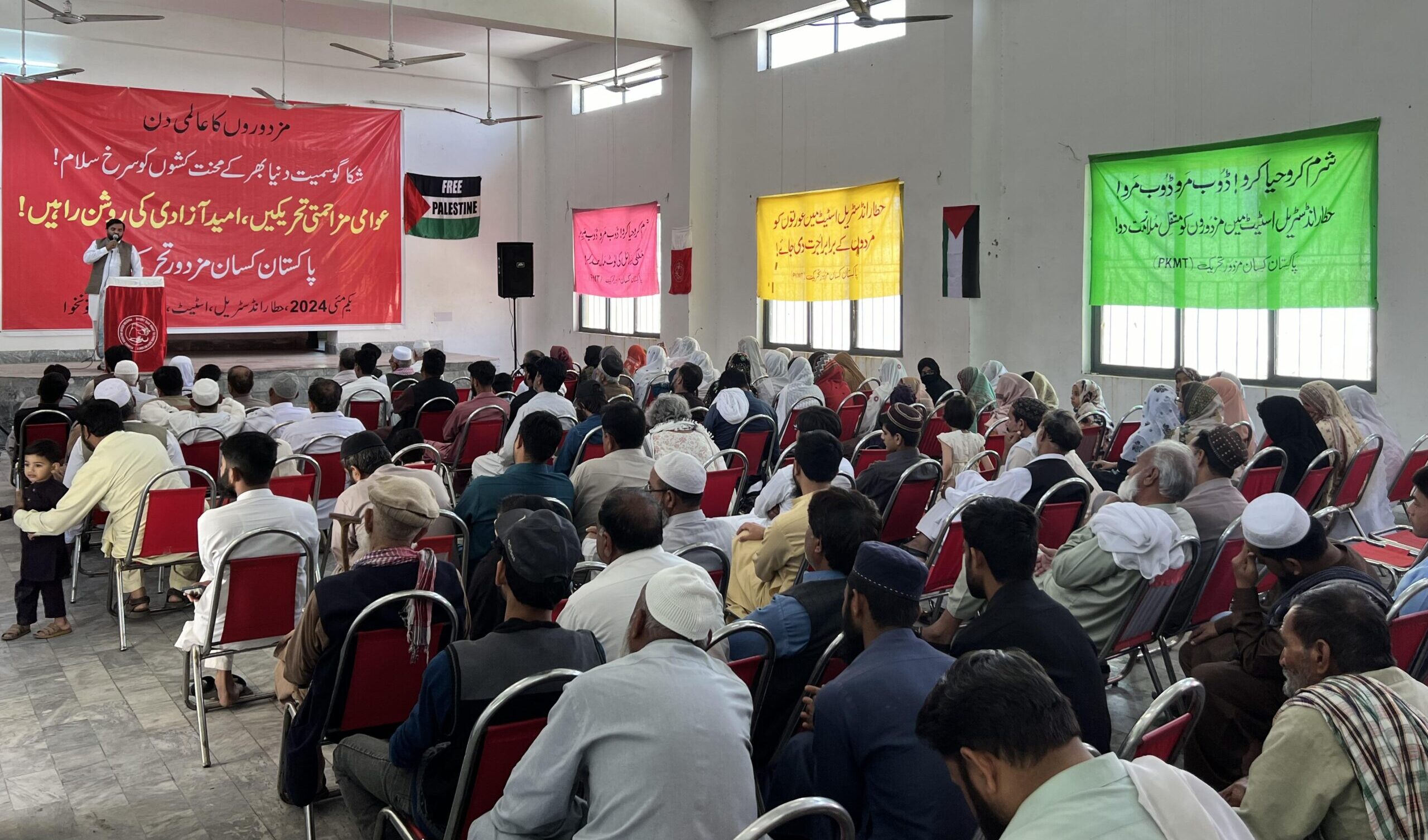
دنیا بھر میں یکم مئی، 1886 میں شکاگو کے مزدوروں کی جدوجہد کی یاد میں مزدوروں کے عالمی دن کے طور پر منایا جاتا ہے۔اس موقع پر پاکستان کسان مزدور تحریک (پی کے ایم ٹی) اور روٹس فار ایکوٹی نے حطار انڈسٹریل اسٹیٹ ہری پور میں ”عوامی مزاحمتی تحریکیں: امید آزادی کی روشن راہیں“ کے عنوان سے منعقد کیا۔ جس میں بڑی تعداد میں مزدوروں اور کسانوں نے شرکت کی۔

مقررین نے عالمی معاشی بحران کے پس منظر میں بات کرتے ہوئے کہا کہ حالات سے ثابت ہے کہ سرمایہ داری اپنے عروج پر سامراجیت کی شکل میں واضح نظر آرہی ہے۔ بڑے پیمانے پر عوام خصوصاً مزدوروں پر جبر اس کی ایک شکل ہے۔ ایک طرف صیہونی اسرائیل نے فلسطینی عوام پر ظلم اور بربریت کی انتہا کردی ہے اور دوسری طرف عالمی طور پر خصوصاً پاکستان کے مزدوروں کا استحصال اپنے عروج پر ہے۔ Continue reading

گولیاں تم پر چلانے والے اب تک زندہ ہیں ۔۔۔ سکرنڈ  کے شہیدوں کو  سلام

پریس ریلیز

پاکستان کسان مزدور تحریک (پی کے ایم ٹی) سکرنڈ، ضلع شہید بینظیر آباد میں رونما ہونے والے اندوہناک واقعہ کی پر زور مذمت کرتی ہے جس میں بے گناہ، نہتے ہاریوں کو دن دھاڑے ریاستی جبر و تشدد کا نشانہ بنایا گیا۔ جرم ثابت ہونے سے پہلے ہی عوام کے محافظوں  نے قانون اپنے ہاتھ لیتے ہوئے گاؤں باسیوں کو سزا کی بھینٹ چڑھا دیا۔ غریب اور مفلوک الحال شہریوں پر اس بھیانک دلیری کا مظاہرہ پاکستان کی تاریخ میں پہلی بار نہیں ہوا ہے۔ 8 جنوری، 1953کو طالبعلموں پر ہونے والی فائرنگ (27 افراد جاں بحق)، 1968 کی طلبہ، مزدور اور کسان تحریک کو کچلنے کی کوشش(240 افراد جاں بحق)، 1969-1971 کی مزدور تحریک میں مزدوروں پر تشدد، 1972 میں مزدوروں اور  1978 میں ورکرز کالونی میں مزدوروں کے قتل عام کے ساتھ ساتھ انجمن مزارعین پنجاب اور دیگر مزدور و کسان تحریکوں کو کچلنے اور درجنوں واقعات ہتھیار بند، مسلح افراد کی بربریت اور جارحیت امن کے منہ پر طمانچہ ہے۔جبکہ دوسری جانب خوراک کے مصنوعی بحران کو وجہ بناتے ہوئے کارپوریٹ ایگریکلچر کے نام پر حالیہ مہینوں میں پاکستان آرمی کو45000  ایکڑ زمین کی منتقلی کی گئی اور سامراجی موسمی بحران کو وجہ بناتے ہوئے زراعت میں جدت کے نام ، امریکہ بہادر کی ایما ء پر Green Initiative اور Climate Resilient Seed & Technology  کو زبردستی لاگو کر کے کسانوں کا معاشی قتل عام کیا جارہا ہے ۔پاکستان کسان مزدور تحریک  عوام بالخصوص کسان مزدور کو یہ باو ر کرادینا چاہتی ہے کہ اگر ان سامراجی ہتھکنڈوں کے خلاف مزاحمت نہیں کی گئی  تو  آنے والے دنوں  میں ان ناانصافیوں میں مزید اضافہ ہو تا رہے گا۔

پاکستان کے محنت کش کسان اور مزدوروں کی حالت موجودہ سیاسی اور معاشی منظرنامے میں کسی سے چھپی ہوئی نہیں ہے۔ مہنگائی، بے روزگاری، بے زمینی اور جاگیردارانہ و نیو لبرل پالیسیوں نے عوام کا جینا مشکل کر رکھا ہے۔ ان حالات میں جہاں ریاست کو معاشی استحکام کے لیے ہنگامی اقدامات اٹھاتے ہوئے زمینوں کی منصفانہ اور مساویانہ تقسیم کرنی چاہیے وہاں ہاریوں کو زمین سے بے دخل ہونے پر مجبور کیا جا رہا ہے اور عوام کی جانب سے سر تسلیم خم نہ کرنے پر انہیں تشدد  کا نشانہ بنایا جارہا  ہے۔ یہ واقعہ ریاست کے لیے باعث شرم ہے۔ ساتھ ہی ساتھ محنت کش عوام کے لیے لمحہ فکریہ ہے۔

پاکستان کسان مزدور تحریک حکومت وقت، عدلیہ اور قانون نافظ کرنے والے اداروں سے ملزمان کو سخت سے سخت سزا دیکر انہیں عبرت کا نشانہ بنانے کا مطالبہ کرتی ہے تاکہ پھر کسی بھی طاقتور کو اپنی طاقت کا غیر قانونی استعمال کرنے سے خوف آئےاور اس ملک کے شہری سکون کا سانس لے سکیں۔ پی کے ایم ٹی مطالبہ کرتی ہے کہ قوانین کو عوام بالخصوص مزدور و کسان دوست اور ان کی حفاظت اور خوشحالی کو مد نظر رکھتے ہوئے بنائے جائیں اور ان تمام قوانین اور اختیارات کا فی الفور خاتمہ کیا جائے جو اپنے ہی ملک میں اپنے ہی شہریوں کو یرغمال بنانے کے لیے استعمال کیے جارہے ہیں۔  ہم اس ریاست سے ماں کا جیسا سلوک روا رکھنے کی امید اور مطالبہ کرتے ہیں۔ پاکستان کسان مزدور تحریک پر زور مطالبہ کرتی ہے کہ ریاست آئین کی پاسداری کرتے ہوئے ہر شہری کے لیے روزگار، خوراک، چھت، صحت ، تعلیم اور تحفظ کی فراہمی  کو یقینی بنائے۔

جاری کردہ : پاکستان کسان مزدور تحریک

PKMT Press Release Sarkand Incident

Growing wheat in the hills of Pakistan

July 1, 2021

Pakistan Kissan Mazdoor Tehreek (PKMT) is an alliance of small and landless farmers in Pakistan. Formed in 2008, PKMT is active in 16 districts across three provinces of Pakistan: Khyber Pakhtunkhwa, Punjab and Sindh. PKMT offers a collective voice to small farmers advocating for seed and food sovereignty, and equitable land distribution in Pakistan.

According to the World Food Program, Pakistan is one of the main producers of wheat on the planet; the country exports more than one million tons of the grain every year. Yet, despite massive food production, national nutrition surveys estimate that around a third of Pakistan’s population suffers from food insecurity.

To curb food insecurity and increase public health and nutrition,  PKMT has taken the lead in collecting and regenerating traditional seeds. Its members maintain community seed banks, ensuring that locally adapted wheat, rice, corn and nutritious vegetable seed varieties that have been neglected since the Green Revolution are saved and exchanged among farmers. At the policy level, the organization has denounced Pakistan Amended Seed Act 2015, asking for seed laws that promote the rights of small farmers rather than agro-chemical corporations. PKMT filed a petition in Lahore High Court against this anti-farmer seed amended act.

With the Agroecology Fund’s support, PKMT is scaling up agroecology through its Jazba Farmers’ Cooperative, a network of farmers collaborating with researchers and students at the Nawaz Sharif Agriculture University, leading peer-to-peer educational programs on agroecological farming, and practicing agroecology on 18 cooperative farms in Shikarpur, Ghotki, Multan, Haripur and Dir.  Since 2020, the cooperative has been producing and marketing locally milled organic wheat flour.

However, as a consequence of the Covid-19 pandemic, farmers faced several production, transport, storage and marketing difficulties; these hardships were exacerbated by water scarcity, untimely rains, a locust outbreak, and a lack of availability of organic manure. Bakhtiyar Zeb, a wheat farmer and member of the Cooperative from Dir,  in the foothills of the Himalayas, shares his story with the Agroecology Fund.

Could you tell us a little bit about yourself? 

I, Bakhtiyar Zeb, have my own land and my family and I work on the land ourselves producing for our needs and some for the market. My father used to practice traditional agriculture, kept his own seeds, used oxen for ploughing and never used chemical fertilizers and pesticides. There was little or no expenditure related to agricultural production. The food we ate was nutritious. Life was simple, and did not have many of the material attractions that are part of our lives now.

When I started working on the land, I adopted modern agriculture practices and started using hybrid seeds, chemical fertilizer, and pesticide among others to get higher production. But gradually, I realized that this form of production was extremely costly and I could not save much. We were not able to get a good price for our produce in the market. Apart from this, the food produced was not nutritious anymore, and we found we were spending more money on medicines and going to the doctor. I also realized that we had become dependent on external inputs even for seeds; we were left at the mercy of corporations.  Even though I have my own agricultural land, I cannot decide for myself.  Then I decided to go back to my father’s practice. For the past 10 years I have been practicing traditional agriculture and agroecology; there may be less production but certainly less expenditure, as well. Above all, I am not dependent on any external input produced by corporations. I use my own seeds, my own cow dung as fertilizer. I am much more  satisfied now: at least I have nutritious chemical-free food for my family.

My land is on top of a hill and it’s difficult terrain. My sons and I have gradually increased our cultivable land through terrace farming; we have done this using our own hands. It’s not possible to get machinery in this area. We have a number of cows and goats. My wife, and other women in the family collect all the animal dung and add it to our water tank (constructed by the government, this tank collects rainwater) and it mixes with the water used for land irrigation. It is tough labor as going up and down the hills with not very good walkways is very hard. My sons, once they come back from school, help me in the fields. So it is very hard labor for my entire family but there are many benefits.

What drove you to finally move from conventional agriculture to agroecology? 

In 2010, I had sown hybrid maize on one acre. On another acre of land, I cultivated my own traditional maize seeds. I put the same amount of effort on both patches but the hybrid crop had a pest attack and the traditional crop was healthy with no pest attack. I also noticed that the hybrid seed needed more water than traditional seeds. The traditional maize was ready for harvest 10 days earlier than the hybrid maize. I sold the hybrid maize in the market because my family found traditional maize good for their own consumption. It is also good for our health as there is no chemical or pesticide used. If we care about our health and our family, we should not practice chemical agriculture.

Why is agroecology the right decision for you and your family? 

Most importantly, it provides nutritious food for my family. Apart from that, it is a low-cost agricultural production method. It is beneficial since most of the time we don’t have cash to buy inputs. This traditional form of agriculture does not need much cash as most of the inputs are our own.

How has the Covid-19 pandemic affected your work?

Days and weeks have been very difficult as my daughter and I were infected with COVID-19. It was a very painful experience. I had a terrible cough, fever, and body ache. My sleep was badly impacted and I could hardly sleep for 13 days. I was unable to taste food. Self-isolation was not easy and I only realized this when I had to go through it myself: I wanted to be able to see the skies and my land, my crops! Even when I recovered I was very weak, and could not walk or even sit. Both my parents are diabetic and suffer from high blood pressure; to keep them safe we sent them to another brother’s place. Even after coming out of quarantine I still have a bad cough.

Has this crisis changed your views on food security and food sovereignty?

Since I am a member of Pakistan Kissan Mazdoor Tehreek (PKMT), I understand the importance of food security and food sovereignty.  But certainly, the idea of food sovereignty got sharp attention during the COVID-19 period. The self-sufficient communities who have control on their food production are in a better condition as far as food is concerned. It is expected that there will be huge food shortages in the coming months and years. We decided that we will not sell our wheat crop in the market and will save for the expected days of food shortage. PKMT is also planning to store as much as they can store so that it can be distributed to needy PKMT members, if needed. There is already a shortage of wheat flour in the market, and spikes in wheat prices, even just 1.5 months after the wheat harvest. The government has decided to import wheat to resolve the issue.

What kind of responses are important now, from communities and from policy makers?

Pakistan is an independent country but it is considered to be ruled by feudals and capitalists.  They are 2% of the total population of the country, but they rule and run the country.  The same people make policies for their own interests, with no safeguards for the marginalized people. The people need to stand up and raise their voice. Only organizing and mobilizing peasant labor can bring some kind of relief in our lives. In terms of practical strategies, as mentioned above PKMT members have decided they will store their food crops for communities in need during this crisis. There has also been a call to grow our own vegetables as much as possible. Since I started practicing agroecology, I have grown vegetables in small pots within the boundaries of my home. I will keep doing this.

کورونا میں سامراجی ہتھکنڈے اور کسان مزدوروں پر اثرات

26-12-2020:پریس ریلیز

پاکستان کسان مزدور تحریک (پی کے ایم ٹی) نے 26 دسمبر، 2020 کو کورونا وباء کو مدنظر رکھتے ہوئے تیرہواں سالانہ اجلاس آن لائن منعقد کیا جس میں ملک بھر کے مختلف اضلاع سے پی کے ایم ٹی کے چھوٹے اور بے زمین کسان مزدوروں اور دیگر شعبہ جات سے تعلق رکھنے والے ارکان نے شرکت کی۔

ڈاکٹر عذرا طلعت سعید، روٹس فار ایکوٹی نے عالمی اور ملکی سطح پر کورونا کے اثرات پر بات کرتے ہوئے کہا کہ عالمی سرمایہ دارانہ نظام ہی کورونا وباء کا ذمہ دار ہے۔ ابھی ہم ایک وباء سے نہیں لڑپارہے اور دنیا بھر کے سائنسدانوں کی پیشنگوئی ہے کہ اب اس طرح کی کئی وبائیں آئیں گی کیونکہ سرمایہ دارانہ ہوس نے جنگلوں کو ختم کیا ہے اور یہ وبائیں زیادہ تر وہیں پائی جاتی ہیں۔ جنگلات کی کٹائی کے نتیجے میں اب یہ وبائیں انسانی آبادیوں میں جانوروں کے زریعے پھیل رہی ہیں۔

اس بحران نے اب دیگر بحرانوں کو جنم دیا ہے جس میں اقتصادی بحران مزدور کسان کے لیے وباء سے زیادہ سنگین صورتحال پیدا کررہا ہے۔ یہ وہ ہتھکنڈہ ہے جو اجارہ داری کی بنیاد پر سرمایہ داری کو بھاری بھرکم منافع کمانے کے لیے مواقع فراہم کر رہا ہے جبکہ مزدوروں کو اس وباء، بیروزگاری اور بھوک کے اندھے کنویں میں دھکیل دیا گیا ہے۔ اب ہماری سرمایہ داروں کی غلام ریاستیں اس وباء کو روکنے اور عوامی ضروریات پوری کرنے کے لیے درکار مالی، مادی اور انسانی وسائل استعمال کرنے کے لیے اپنا اختیاراستعمال کرنے سے بھی قاصر ہیں۔ عالمی سطح پر امیر سرمایہ دار ممالک اپنی دولت اور ٹیکنالوجی استعمال کرتے ہوئے کورونا کے خلاف ویکسین تیار اور ترسیل کرکے بے تحاشہ منافع کمانے میں کامیاب نظر آرہے ہیں۔ سرمایہ دارانہ نظام دعویٰ کرتا ہے کہ اس نظام میں سب کو یکساں رسائی حاصل ہوتی ہے لیکن کورونا ویکسین سے اس نظام کا یہ مکروہ فریب بھی کھل کر سامنے آگیا ہے کیونکہ یہ نظام طبقات پر مبنی ہے۔ جو زیادہ سے زیادہ دولت رکھتا ہے سہولیات بھی سب سے پہلے اسے ہی میسر آتی ہیں۔ Continue reading

“Rural People are Hungry for Food System Change”

Press Release

October 16, 2020

Roots for Equity and the Pakistan Kissan Mazdoor Tehreek (PKMT) in collaboration with  People’s Coalition for Food Security (PCFS), Pesticide Action Network, Asia and  Pacific (PANAP) and Asian Peasant Coalition (APC) is marking the World Food Day as World Hunger Day on October 16, 2020. A webinar and protest has been organized in this regard in which small and landless peasants including PKMT members participated from different districts.

This event is part of a campaign, launched on the occasion of World Hunger Day, and titled “Rural People are Hungry for Food System Change”. It aims to promote a strategy for highlighting the toxic impacts of industrial chemical agriculture production systems and the acute need for food sovereignty and agro-ecology based food production systems. This year’s global campaign focuses on the plight of rural populations during the pandemic, and their demands for changes in the food and agricultural systems.

Tariq Mehmood, a member of PKMT, Khyber Pakhtunkhwa, spoke on the situation of hunger, poverty and unemployment during the Covid19 pandemic, He said that the transnational mega agro-chemical corporations’ domination in the food and agriculture system around the world, their exploitation and destruction of biodiversity and natural habitats is a catalyst for Corona pandemic.

According to a report by the United Nations FAO (The State of Food Security and Nutrition in the World), the epidemic could lead another 83 to 132 million people suffering from hunger by 2020, and if the current situation continues by 2030, 841.4 million people in the world will be hungry.

According to a member of PKMT Mohammad Zaman from Sahiwal, it is reported in the Pakistan Economic Survey 2019-20, the corona virus had a severe negative impact on the Pakistani economy and at least another 10 million people are feared to be pushed to living below the poverty line in Pakistan. The number could increase from 50 million presently to 60 million. In the Global Hunger Index, Pakistan ranks 106th out of 119 countries where consumption of meat, poultry, fish, milk, vegetables and fruits is six to 10 times lower than that of developed countries.

The worsening situation of hunger and poverty can be gauged from the statement of Sania Nishtar, Special Assistant to the Prime Minister for Poverty and Social Protection, that “almost half of the country’s population will be covered by the Ehsas Program.” The statement indicates that in Pakistan, where almost half of the population is employed in the agricultural sector, the current epidemic of rising hunger, poverty and unemployment has exacerbated the pervasive exploitation and brutality of this rotten food and agriculture system that is based extracting super-profits from the poorest segments of society.

Speaking on the global food and employment crisis, Wali Haider, of Roots for Equity said that rural populations around the world are already aware of these facts and now the food and employment crisis and growing hunger during the Corona virus pandemic has proved that the current system of food and agriculture, which is dominated by the big capitalist countries and their for profit companies, has failed.

This domination of the imperialist powers over the global food and agriculture system has linked the local rural economy, in third world countries like Pakistan, to the global agricultural market. This has resulted in the most important resources like our agricultural produce, our land and water have become a source of surplus profits for multinational corporations.

A clear example of this is the increasing production of sugarcane and other cash crops for the production and export of agro-fuels like ethanol, while the production of the most important food crops such as wheat is declining. This is one of the reasons for the rise in food prices and the consequent increase in hunger.

There is an urgent need to change the system where farmers are forced to depend on seeds, chemicals and toxic inputs of companies. These chemicals also pollute the entire food and agricultural system and destruction of the ecosystems and biodiversity.

In contrast, a sustainable food production system, agro-ecology, provides farmers with a strategy that protects not only their rights but also of other small food producers. Farmers’ right to land under agro ecology guarantees the establishment of collective and individual seed banks and their exchange. It also protects and promotes safe and natural systems of food and agriculture production ensuring food security of the most marginalized and vulnerable communities as well as safe nutritious food and environment for all.

Speaking on the women farmers’ rights Azra Sayeed of Roots for Equity said that the livestock and dairy sector accounts for 56% of the total agricultural production and the majority of farmers involved in milk and meat production are small scale. It consists of cattle breeders, especially women, who make it possible to produce 60 billion liters of milk annually in the country, but these same rural populations are starving themselves as a result of the monopoly of capitalist companies in the food and agriculture sector.

In the name of achieving so called standardization of milk, meat and other foods, corporations are paving a clear path to monopolizing the dairy and meat sector. This will only lead to further exacerbation of hunger and malnutrition in the country. It is important to note that according to the National Nutrition Survey 2018, 53% of children and 44.3% of women in the country are suffering from anemia.

Raja Mujeeb, a member of PKMT Sindh, referring to the small and landless peasants are most affected by the Covid19 epidemic, said that food producers have been forced to depend on poor quality seeds where the companies have established a monopoly and at the same time land is in the hands of feudal lords and increasing encroachment of capitalist systems of production and marketing.

If the farmers have control over all the productive resources including land and seeds, then our farmers, laborers, fishermen and the rural population can get food even in the face of the current pandemic or any kind of emergency. That is why PKMT believes that food sovereignty and self-sufficiency in food and agriculture based an end to feudalism through just and equitable land distribution among farmers and imperialist food policies is critical for a peaceful democratic sovereign state!

Released by: Pakistan Kissan Mazdoor Tehreek (PKMT) & Roots for Equity

Press Release in Urdu (PDF) 
‘Rural Women, problems and daily life’

JUMNI

The field staff of Roots for Equity met a farmer named Jumni in the village known as old Lashari of district Tando Muhammad Khan. She is also a member of Pakistan Kissan Mazdoor Tehreek (PKMT). At that time she was plucking grass out of the ground. She said that she is picking grass to feed buffaloes and goats as they are very useful for them. Buffaloes give milk which women use to make lassi, ghee, and butter from it. They sell and eat chicken eggs and meat too and sell big animals in time of need or at any celebration or important event. Animal dung is burnt as fuel and it is also used in the field as fertilizer.

Regarding vegetable cultivation, she said that we grow our own vegetables, eggplant, okra, guar, beans, chilies, etc, but this year lesser vegetables were grown due to early heavy rains and the corona disease. The eggplant is ready to harvest. Naturally grown vegetables are also used in the village such as lemons, radishes, spinach, lentils etc. These vegetables are nutritious and do not cause any diseases. These vegetables are often sown by most of the people in the village.

Highlighting the problems of women farmers, she said that women face many difficulties during farming and labor. They get tired on the way to the field. It sweats like water coming out of the body. The whole body becomes stiff like a stone due to hard work. The wages for cotton masonry are Rs. 400 per maund. That is Rs 10 per kg. In addition, the average wage is Rs.1, 200 per acre of any ordinary labor which continues for three to four days. Wages are calculated according to the amount of work, such as half a day, a day or two.

She said that there was lock down due to corona virus and markets were closed. We didn’t get any seeds. We got little amounts of seed with difficulty from here and there. Feeding animals was not difficult because there was grass in the surrounding area. We faced a lot of problems regarding availability of food, sometimes there were no vegetables and sometimes we ran out of flour. If this happens we usually get some from our neighbors and return what we had taken when we purchase it. Flour was scarce in the market; shopkeepers were giving only to their acquaintances.

The police was not allowing shops to reopen. There was a problem in mobility, I could not get even a ride to another village and bus fare was doubled. If someone is sick, it was difficult to get them to the hospital. But even in the hospitals doctors and/or medicines were not available. Prices had gone up; everything was expensive. This aggravated the problem of food. The ones who used to eat two times are now eating only once a day. Earlier it was corona virus, now it is heavy rainfall, the roads are closed and it is difficult to travel.

From the last two years, our tap water is bitter and we are getting sick for which no government action has been taken so far.

PATHANI

 The field staff of Roots for Equity spoke to various farmers in the village of Old Lashari Tando Muhammad Khan. A farmer named Pathani, who is also a member of PKMT, described the problems faced by women farmers and said, “I am a farmer. I work hard in the fields; sometimes I weed grass and sometimes sow the cotton. I work from sowing vegetables to harvesting, and then when I come back home in the evening I bring fodder along with me for the livestock at home. Women farmers have a lot of problems; they pick cotton all day and get Rs. 400 per maund (40kg), and at the same take care of the household tasks and the children in the evening. Women can get Rs. 400 to Rs. 500 for ordinary work done in field

Women in rural areas work all day in the fields on wages; they work in the fields on daily basis and work all day long. If a woman’s wage is kept at Rs.250, then a man earn Rs.500 of the same work, Women work more than men but men are paid more. Women are considered inferior. Women do not even raise their voice in front of men because if they do so they will not get work next time. If someone asks about increasing the wages, the landlords threatens them saying they could be replaced by machines.

There is no land in the name of women. A woman works all day in the field from sowing crops to watering and from watering to harvesting. She plants vegetables and takes good care of it. Even after doing all the work there is no land in the name of women and when the crop is sold, the men keep all the profit.

I don’t have my land. There is no land in the name of any woman in the village. It belongs to my father and brother. They cultivate crops with their own free will on it. We tell them to plant traditional crops. They don’t agree and angry with us for suggesting such changes. We help in their work but the decisions are in their hands

No action has been taken since corona begins; people have been living in their homes with fear of getting infected. Women could not go to the market. There was no transport. The available transport had a very high rent. If we visit the hospital, there were no doctors in the hospital; lady doctor could not come (due to the lockdown) and medicines were not available.

Due to the closure of the market, it also became very difficult to access food items. Farmers who were trying to sell vegetables had great difficulty in getting to the market, and then there were no buyers, also. Farmers have suffered immensely. Due to this disease, farmers, laborers, women, men, children, old and young are all troubled.

After the Corona Virus, we had to face further problems. This time there has been a lot of damage due to heavy rainfall; in particular, the cotton crop has been heavily damaged due to rains.